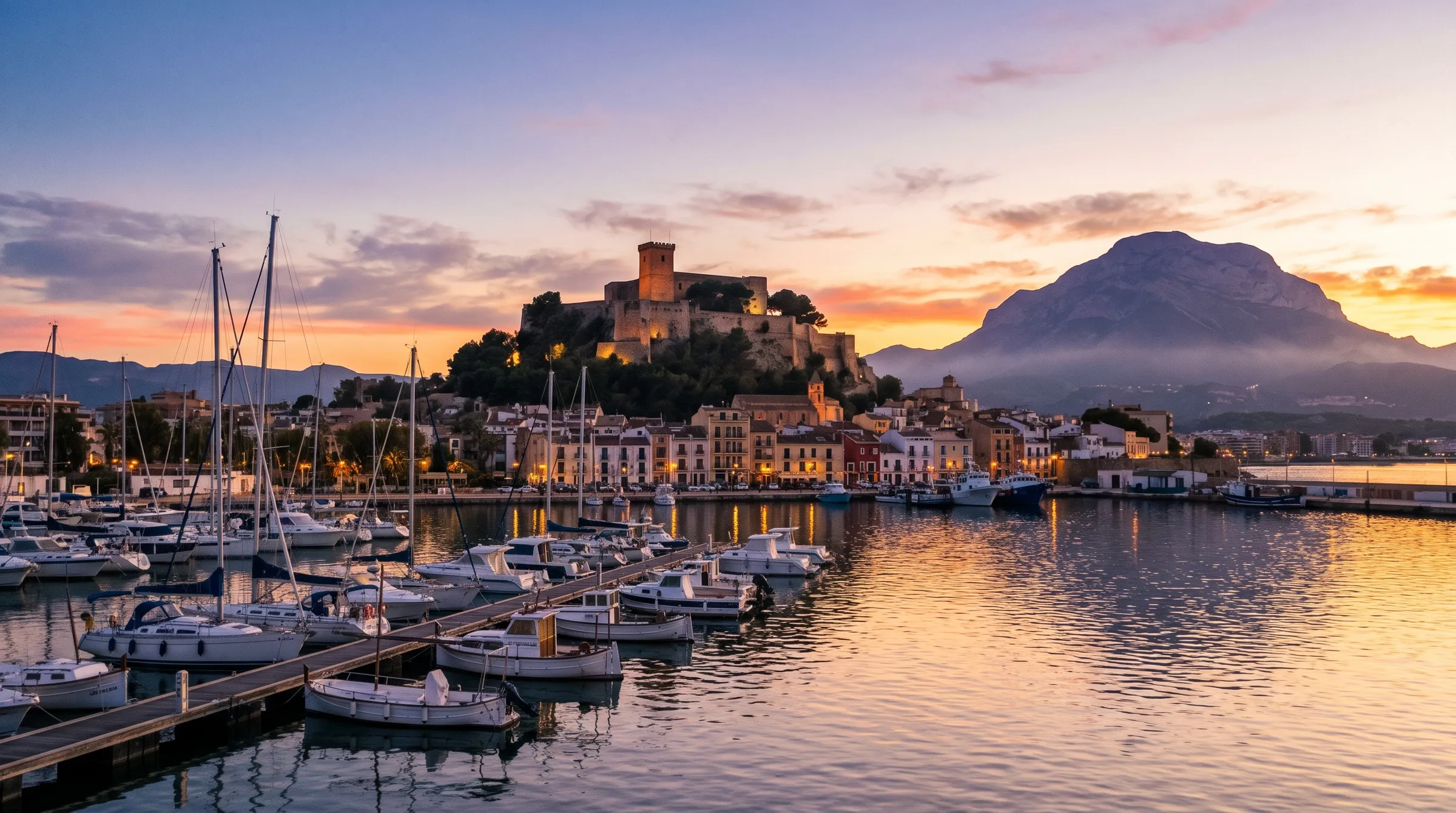
Few areas pack so much protected nature into so little space as the Marina Alta. From Dénia you can climb a mountain, explore a wetland of rice fields and birds or gaze at a great rock rising from the sea, all in the same day.
In 30 seconds
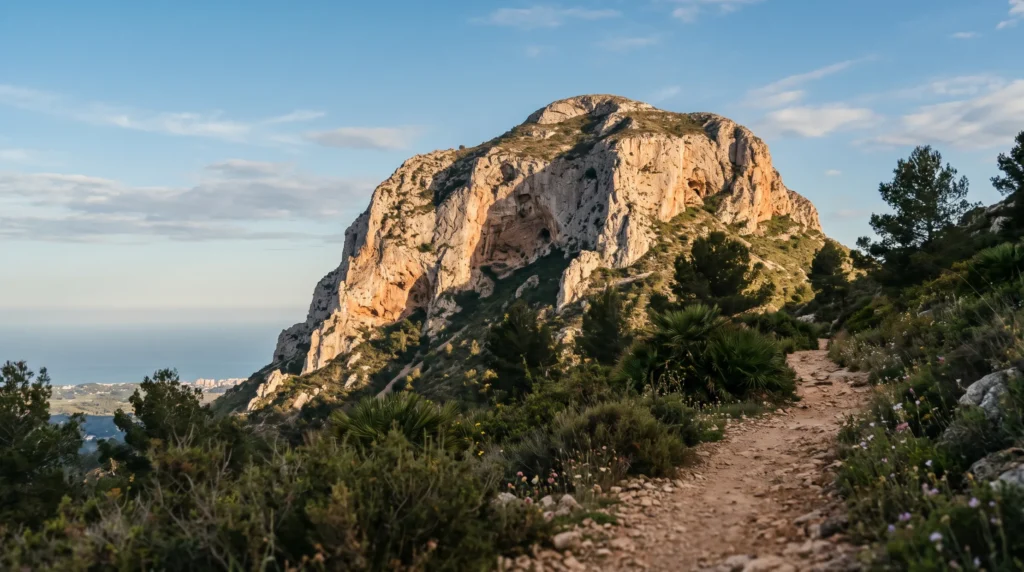
- Montgó: Natural Park since 1987, 753 m high and more than 650 plant species.
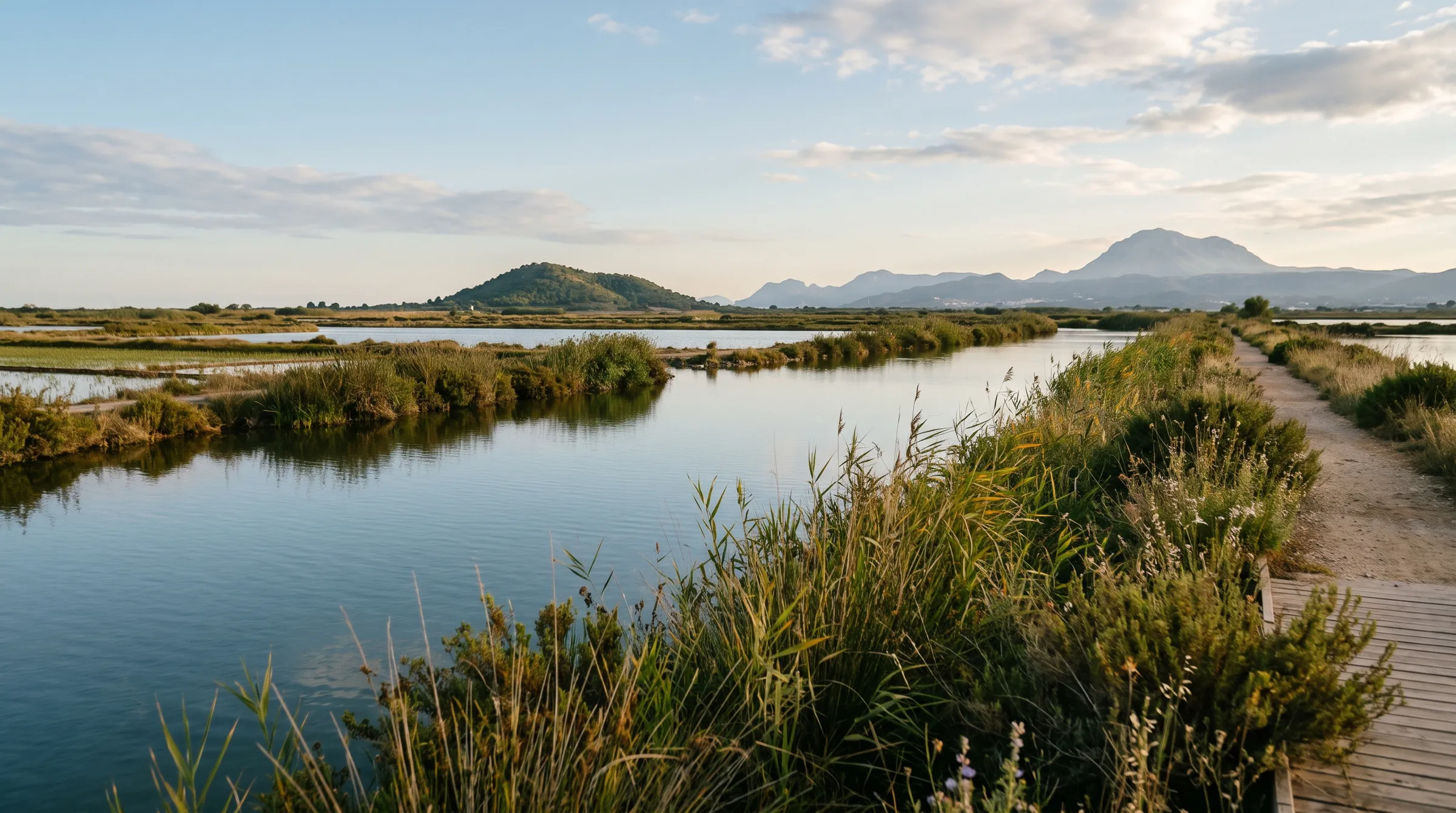
- Pego-Oliva Marshes: Natural Park since 1994, 1,255 ha, a Ramsar wetland with traditional rice growing.
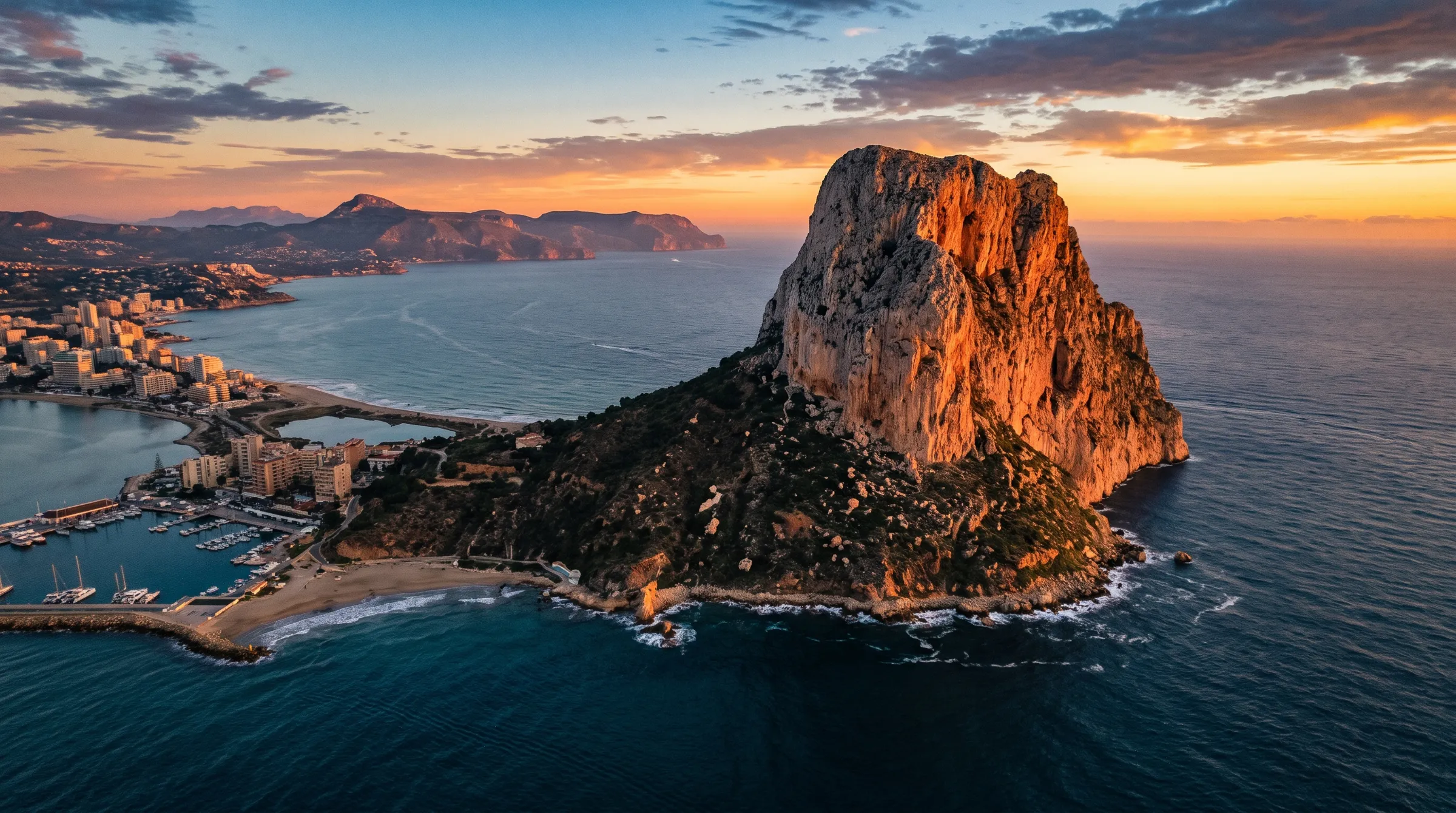
- Penyal d’Ifac: Natural Park since 1987, a 332 m rock above the sea in Calp.
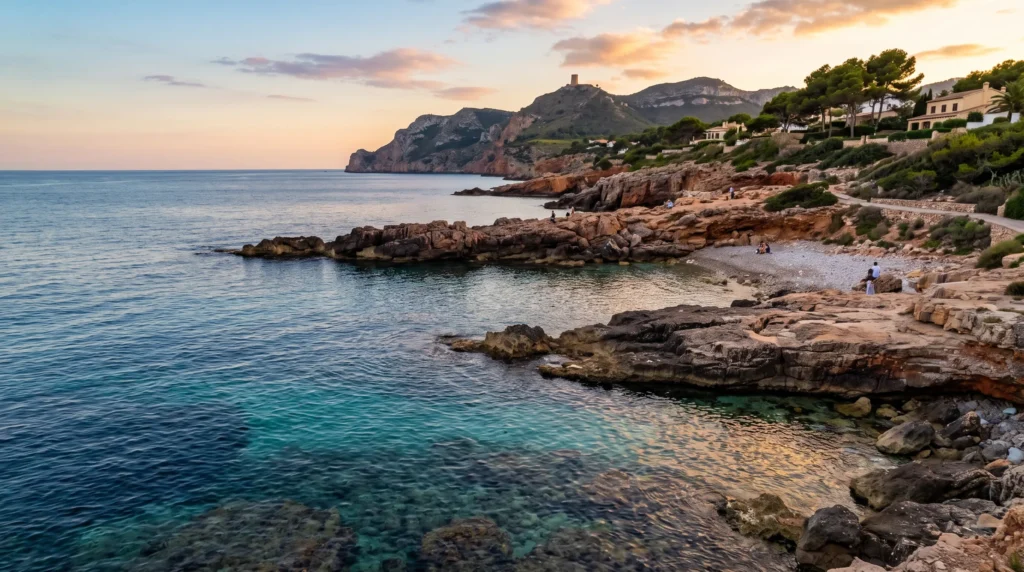
- Cap de Sant Antoni: natural and marine reserve between Dénia and Xàbia.
Montgó Natural Park
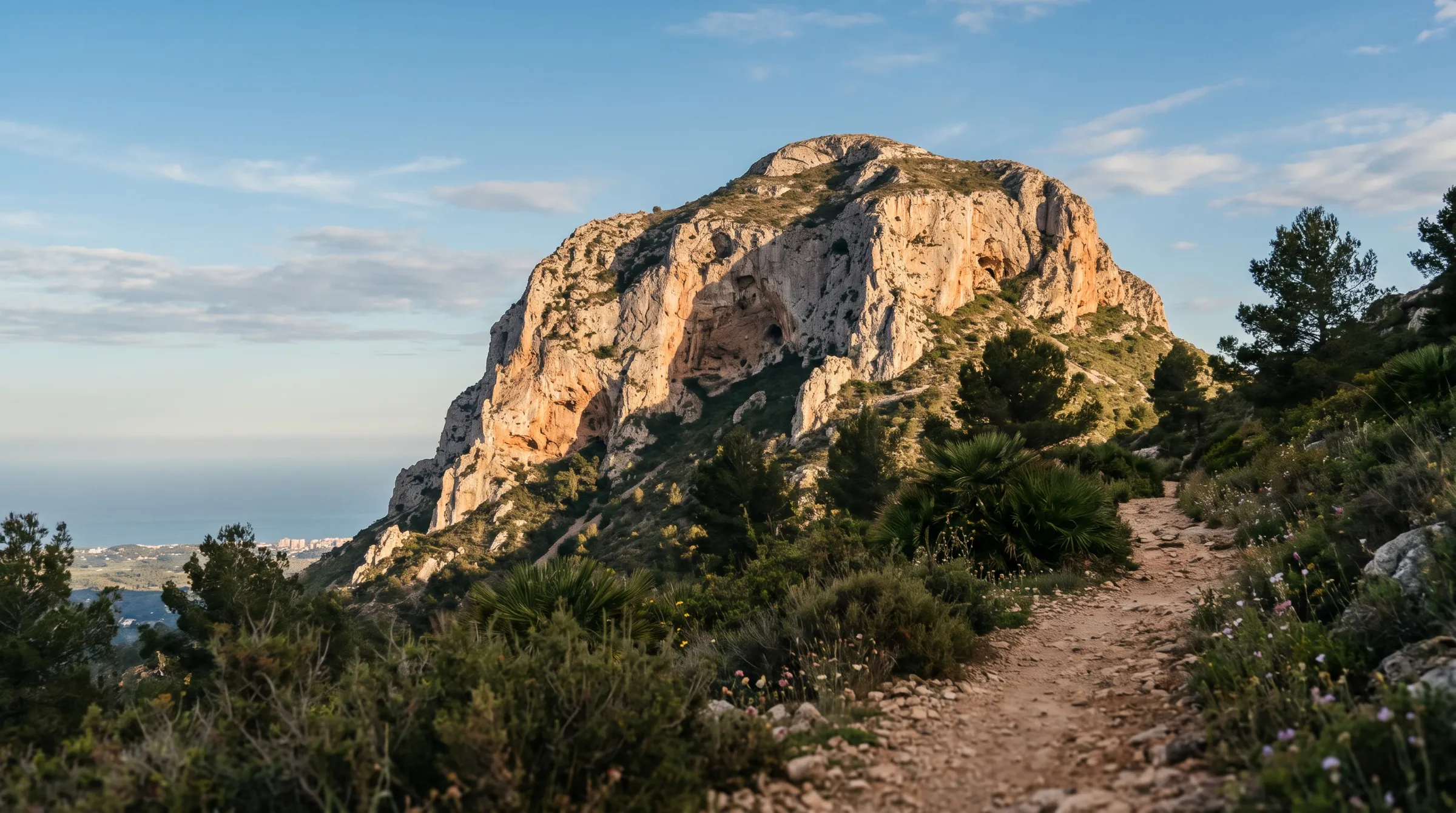
The mountain you can see from all over Dénia. Declared a Natural Park in 1987, it protects around 2,150 hectares with more than 650 plant species and birds of prey such as the peregrine falcon and the eagle owl. Its trails range from one-hour walks to the climb to the summit. We cover it in detail in our slow guide to the Montgó.
Pego-Oliva Marshes: the wetland of rice fields
A few kilometres north, between Pego and Oliva, this 1,255-hectare wetland has been a Natural Park since 1994 and is part of the Ramsar Convention and the Natura 2000 network. It is home to unique species such as the samaruc, an endangered fish, the endemic shrimp Dugastella valentina and the European pond turtle, as well as herons and purple swamphens. Traditional rice, such as bomba, is still grown on around 90 hectares.
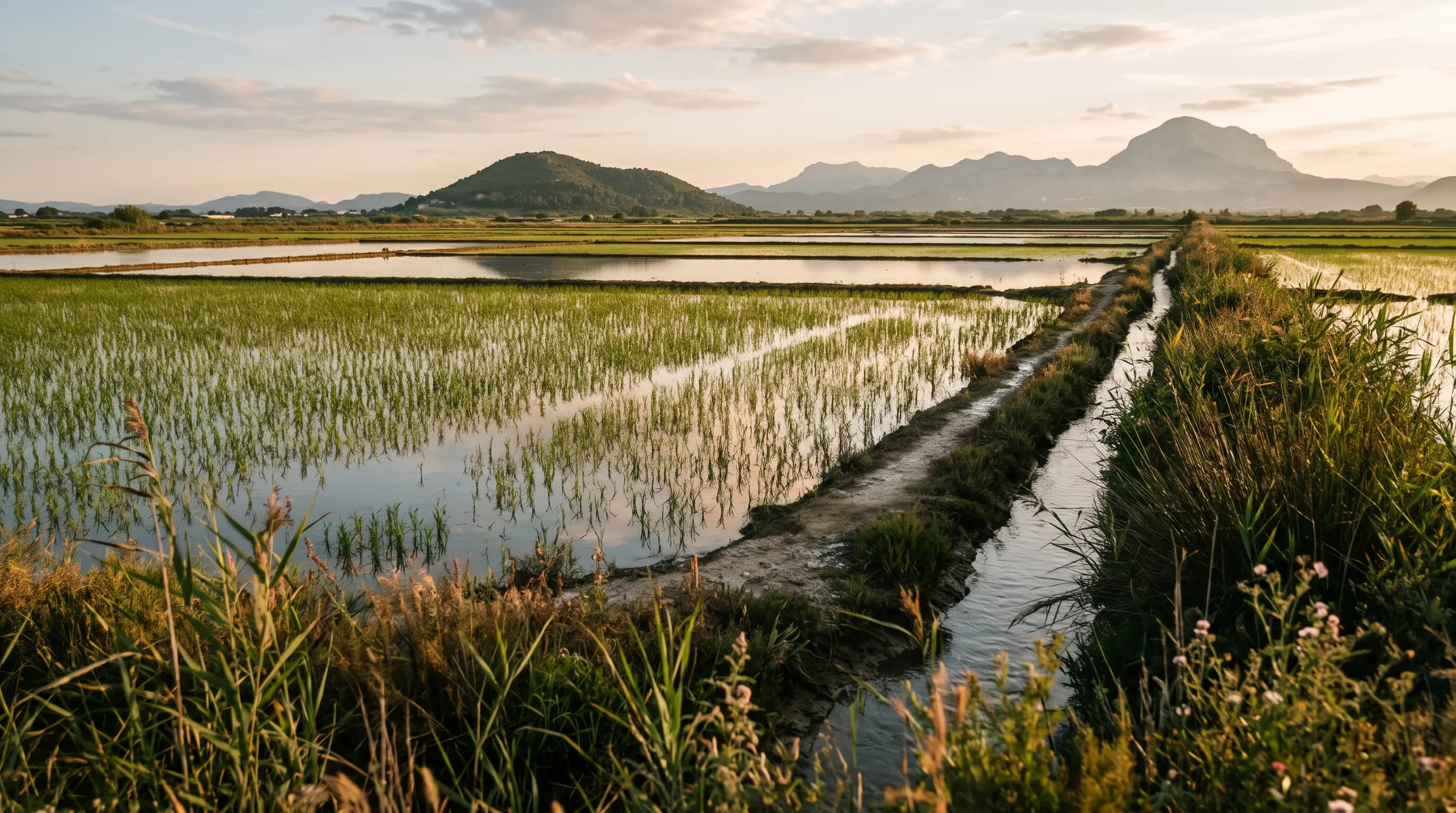
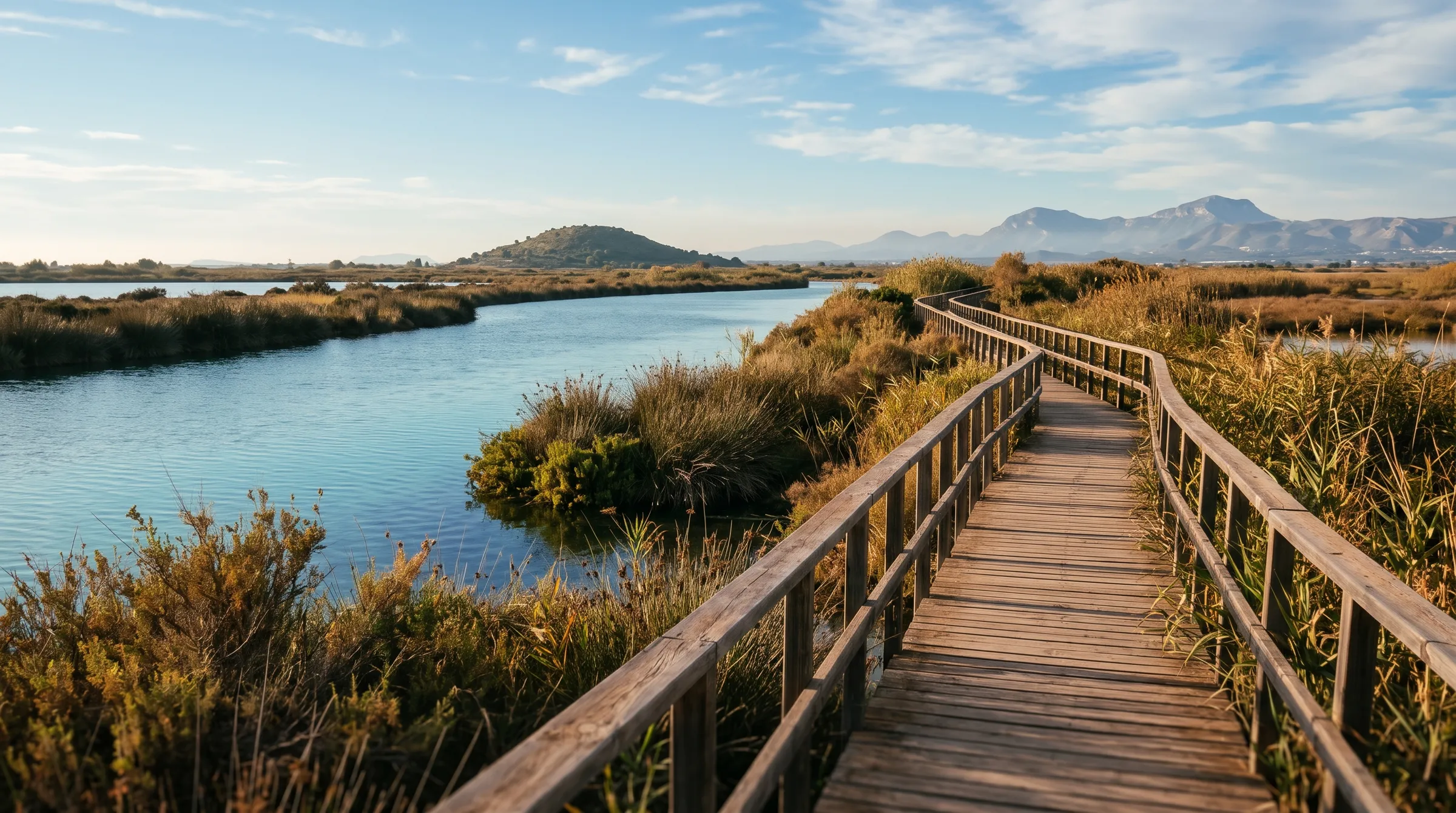
The park has several waymarked routes (blue, red, birdwatching and family) and a visitor centre in Pego, open on weekday mornings. During the hunting season, check the calendar and follow the signage.
Penyal d’Ifac: the rock of Calp
A 332-metre rock that rises straight out of the sea. It has been a Natural Park since 1987 and, in only around 45 hectares, it is home to very rare endemic plants and more than 300 animal species, with seabird colonies and falcons. It is a perfect half-day trip from Dénia.
Cap de Sant Antoni natural and marine reserve
Between Dénia and Xàbia, the cliffs of the cape and the coves of Les Rotes protect posidonia meadows, caves such as the Cova Tallada and a wide variety of fish. It is the marine side of the Montgó, ideal for snorkelling. Everything you need is in our guide to Les Rotes and the marine reserve.
How to plan it from Dénia
- Day 1: the Montgó in the morning and a swim at Les Rotes in the afternoon.
- Day 2: the Pego-Oliva Marshes first thing, when there are more birds.
- Day 3: the Penyal d’Ifac and a stroll around Calp.
Frequently asked questions
What natural parks are there near Dénia?
The Montgó Natural Park, the Pego-Oliva Marshes, the Penyal d’Ifac in Calp and the Cap de Sant Antoni natural and marine reserve.
When did the Pego-Oliva Marshes become a Natural Park?
In 1994. It covers 1,255 hectares and is a wetland of international importance under the Ramsar Convention.
How high is the Penyal d’Ifac?
332 metres. It has been a Natural Park since 1987.
When is the best time to see birds in the Marshes?
Early morning is best in any season. Check with the Pego visitor centre for open routes.
Sources